7 Steps to Clean your Engine
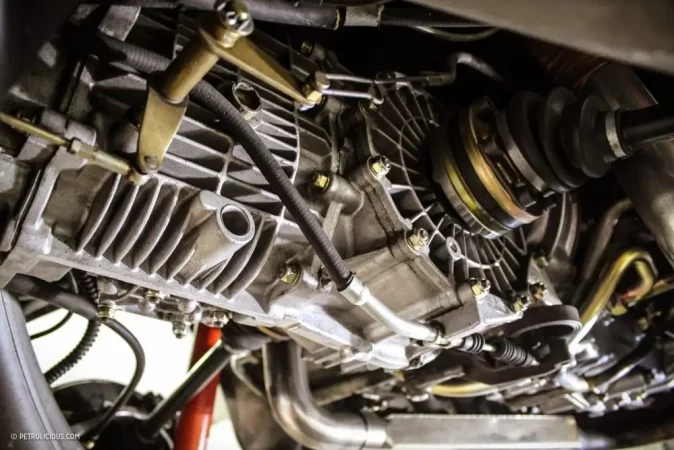
- Upon opening the bonnet, you want to remove any loose grime leaves and dead squirrels that are trapped in the grill or vents. Using a vacuum cleaner on blow does a good job, but compressed air with a Blow Gun, a leaf blower, or a wire brush will work just fine. For cleaning small vents and corners a Mini Vacuum Attachment Kit is useful.
- Next, The engine should be warm but not so hot that you cannot lay your hand on it.
- Now turn the engine off and block the air intake to prevent water from entering the engine. If the air filter has an opening, I will plug it with a rag or fit a plastic bag over the opening with a rubber band. You may have to follow the air duct to the front grill to find the opening. If you own a classic car with a distributor, you may want to cover it with a plastic bag or aluminium foil to keep it dry. Newer vehicles have sealed coil packs and ignition modules. Over time, seals can become brittle and crack. If your vehicle is five or more years old, consider covering coil packs and ignition modules with aluminium foil before cleaning.
- Now spray the warm engine liberally with an alkaline-based cleaner. We like Chassis Clean. We do not like and do not recommend acid-based engine cleaners. Avoid getting engine cleaners on exterior paintwork. Let Chassis Cleansoak on the engine for about 3 minutes, during this time, use the Parts Cleaning Brush to get into all the nooks and crannies.
- Next rinse the engine thoroughly with a garden hose set for medium pressure.
- Now go back and inspect for any remaining grease or grime spots that might require special attention. If you find any, spray the spot again with Frost Heavy Duty Citrus aerosol, scrub down with a Scuff Pad and rinse. The Frost Heavy Duty Citrus aerosol will remove stains, coatings or deposits of oil, grease and dirt. To remove remaining dirt and fuel stains from the carburettor use Frost Carb Clean Aerosol.
- After the final rinse, blow the engine dry with a vacuum cleaner in reverse. If you do not have a dryer or compressed air, remove the rag or plastic bag covering the air intake and start the vehicle. Let it idle for 5 minutes.