
The British Government has just unveiled plans aimed at safeguarding the future of heritage vehicles and securing thousands of jobs within the classic car industry. This move comes as part of a consultation seeking input from the classic car community on how best to future-proof this cherished aspect of automotive culture.
With the classic car sector contributing £18 billion to the UK economy, the Government is eager to bolster this cornerstone of British heritage and ensure its longevity for generations to come. At the heart of the consultation lies a commitment to modernise regulations governing classic cars, making them more adaptable to contemporary standards while preserving their intrinsic value.
For decades, classic car policies have remained relatively stagnant, failing to accommodate advancements such as the integration of modern technology, including electric engines. This consultation aims to rectify this by exploring avenues to enhance vehicle records, ensuring that rebuilt classics meet safety standards and providing transparency to prospective buyers regarding any modifications.
Transport Secretary Mark Harper has thrown his support behind the consultation, emphasising its pivotal role in addressing the industry’s pressing needs. He underscores the necessity of aligning classic car regulations with evolving technologies to safeguard British classics well into the future.
Central to the discussion is the consideration of implementing new registration numbers, potentially introducing dedicated identifiers like “Q plates” for extensively modified vehicles. This proposal reflects a proactive approach to adapting registration processes to accommodate the diverse needs of classic car owners.

7 Steps to Clean your Engine
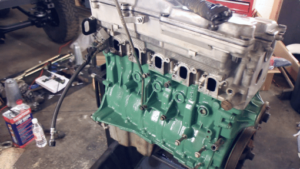
7 Steps to Clean your Engine Upon opening the bonnet, you want to remove any loose grime leaves and dead squirrels that are trapped in the grill or vents. Using a vacuum cleaner on blow does a good job, but compressed air with a Blow Gun, a leaf blower, or a wire brush will work just fine. For

How-To Restore Floorpan: The Floor In The Plan (P1)
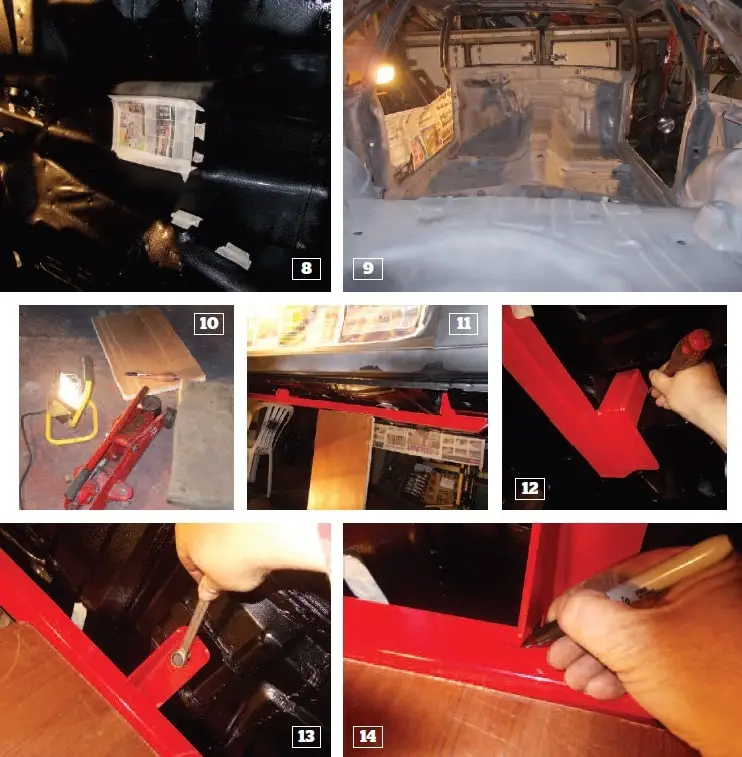
After last month’s aborted repair job, Project 13/30 gets a new patch of floorpan and some paint. (Words and Photos: Dave Smith, American Car Magazine, February 2016 issue) In last month’s instalment, I’d tried to repair the spiderweb of cracks in the driver’s side floorpan around the seat bolt. The floorpan is pitifully thin, and
How do I make wired edges?
Step 1 Mark out edge to be wired, with approx 8mm extra for making the wired edge. Use G104 Aviation Snips to cut to the 8mm line. Step 2 Using Swage fit the jenny wheels to throw up an edge along the marked line (about 45 degrees). Step 3 Use the wiring wheels to form