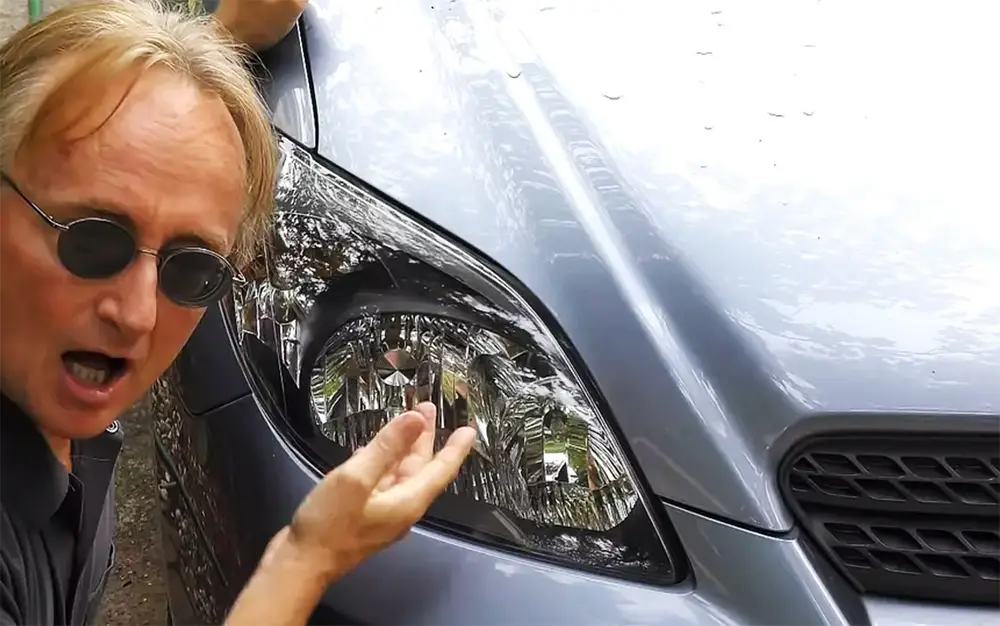
Millers Oils – Oil & Fuel Treatments for Classic, Vintage

Millers Oils - Oil & Fuel Treatments for Classic, Vintage1

Share This Post

Millers Oils “Classic” range has been developed to protect and enhance the engines of vintage, veteran and classic vehicles (car, commercial vehicle or motorcycle).

Monograde

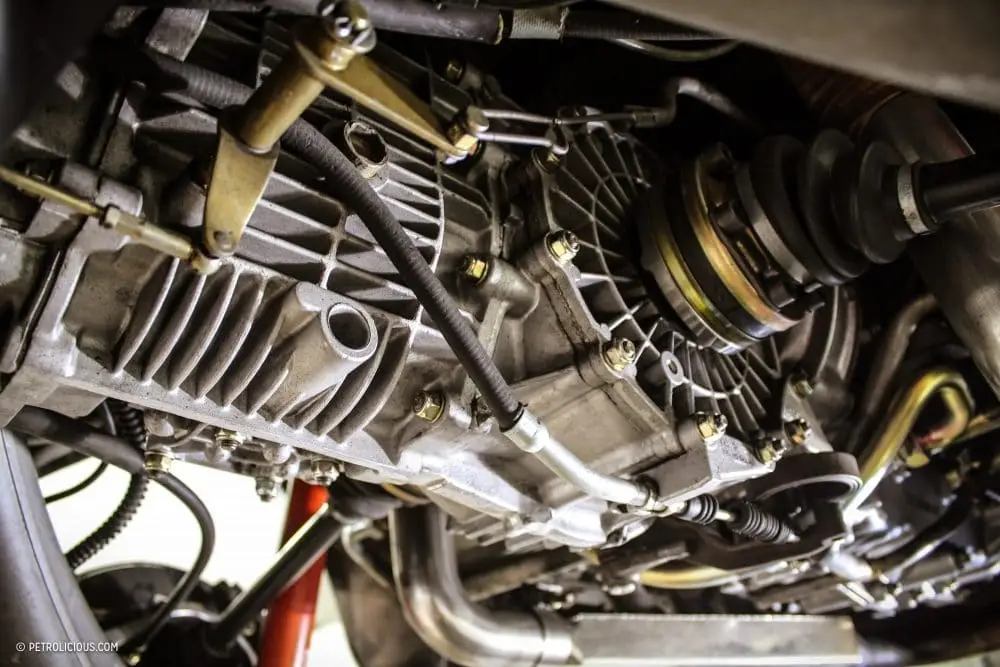
The Millerol range is suited to veteran and vintage cars manufactured up to the 1930s, when vehicles did not have any sophisticated form of filtration. The Millerol range is superior to original lubricants and, as then, does not contain dispersants or detergents which hold deposits in suspension. The Millerol rang contains an additive package that reduces wear and prevents oxidation and rusting.

Monograde

The Pistoneeze monograde range is suited to veteran and vintage vehicles where a monograde oil is required and the owner is confident that there is no dirt or debris collected in the crankcase. Also ideal for later vehicle built from the early 1930s to early 1960s with superior oil filtration systems which were designed to run on monograde oils with some detergent and dispersant additives.

Multigrades

Multigrade oils were introduced in the early 1960s to solve the problem of using different grades in summer and winter.
CHECK OUT OUR

WEEKLY WAREHOUSE SPECIALS

NEW DEALS ADDED EVERY WEEK! >>>

More to Explore

How Welding Works

(Words and Photos: By Louis B, Eastwood.com, March 2014) The more you get involved with automotive work, the more you will need to learn how welding works. Welding is commonly used for making a modification or repair last for a long time and look professional. In order to do this, there are three primary systems

CONTINUE READING
Rusty Mustang 5

How To Replace a Rusty Mustang Rear Quarter Panel

How To Replace a Rusty Mustang Rear Quarter Panel HOW TO TECHNICAL GUIDE This may look all too familiar to any vintage Mustang lover; a rear quarter panel and inner wheel arch replacement. We figured that there was no better way to test one of our new MIG Welders than to do a common task

CONTINUE READING

How do I make wired edges?

Step 1 Mark out edge to be wired, with approx 8mm extra for making the wired edge. Use G104 Aviation Snips to cut to the 8mm line. Step 2 Using Swage fit the jenny wheels to throw up an edge along the marked line (about 45 degrees). Step 3 Use the wiring wheels to form

CONTINUE READING
Basket 0
RECENTLY VIEWED 0
Join Waitlist We will inform you when the product arrives in stock. Just leave your valid email address below.
Email Quantity We won't share your address with anybody else.